
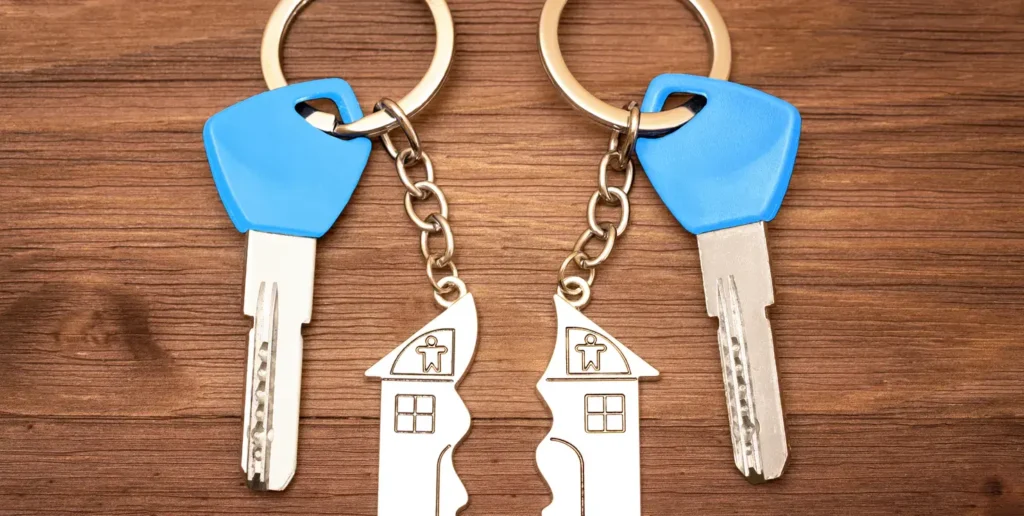
Divorce can affect the sale of your home in Cranston, RI because the property may be tied to ownership rights, mortgage debt, home equity, court decisions, and both spouses’ financial futures. If you and your spouse own a home together, selling it is not always a simple real estate decision. You may need to agree on the sale price, closing date, repairs, mortgage payoff, and how the proceeds will be divided.
For many couples, the home is the largest shared asset in the divorce. It may also be the place where children live, where one spouse wants to stay, or where both spouses have emotional ties. That is why selling a house during divorce requires a clear plan.
This article explains how divorce can affect your home sale in Cranston, what problems may come up, and which selling options may fit your situation.
Quick Answer: Can Divorce Affect Selling Your Home in Cranston, RI?
Yes. Divorce can affect selling your home in Cranston, RI because the house may be part of the marital estate. Both spouses may need to agree on whether to sell, when to sell, what price to accept, and how the proceeds will be handled. If there is disagreement, the issue may need to be resolved through attorneys, mediation, or the court.
| Question | Simple Answer |
|---|---|
| Can you sell a house during divorce? | Often yes, but both spouses may need to agree. |
| Can one spouse sell the home alone? | Usually not if both spouses have ownership rights. |
| Who gets the money after the sale? | It depends on mortgage payoff, liens, costs, and divorce terms. |
| Can the house be sold as-is? | Yes, if both spouses agree or the court allows it. |
| Should you get legal advice? | Yes, especially before signing sale documents. |
This article is for general information only. It is not legal advice. Before making decisions about divorce, ownership, or marital property, review the official Rhode Island marital property assignment rules and speak with a qualified Rhode Island divorce attorney.
Why the Home Becomes a Major Issue During Divorce
A home is more than a financial asset. It can affect housing, credit, taxes, children, and long-term stability. One spouse may want to keep the house, while the other may want to sell and divide the equity. One person may still live in the home while the other has already moved out.
The mortgage can also create pressure. Even if one spouse leaves the property, both spouses may still be responsible for the loan if both names are on the mortgage. Missed payments can hurt credit and reduce selling options.
Common divorce home sale issues include:
- Who stays in the home during the divorce
- Who pays the mortgage, taxes, and insurance
- Whether the home should be sold or refinanced
- How the value of the home is decided
- Whether repairs should be made before selling
- How proceeds will be divided after closing
- What happens if one spouse refuses to cooperate
Because of these issues, the home often becomes one of the most important parts of the divorce settlement.
How Rhode Island Divorce Rules May Affect the Home
Rhode Island uses an equitable distribution approach in divorce. This means property is divided in a way the court considers fair, not always exactly 50/50.
When deciding how property should be handled, the court may look at factors such as the length of the marriage, each spouse’s contribution, income, health, earning ability, child-related needs, and whether either spouse transferred or wasted assets.
This matters because the name on the deed is not always the only issue. A home may still be part of the divorce discussion if it was bought during the marriage, paid for with marital funds, improved during the marriage, or used as the family residence.
Who Has the Right to Sell the Home?
The right to sell depends on the deed, the mortgage, divorce agreements, and any court orders. If both spouses are listed on the deed, both usually need to sign closing documents. If only one spouse is on the deed, the situation may still need legal review.
The mortgage is also important. A divorce agreement does not automatically remove a spouse from a home loan. If both names are on the mortgage, both borrowers may remain responsible until the loan is paid off, refinanced, or otherwise resolved with the lender.
Before selling, review:
- Who is on the deed
- Who is on the mortgage
- Whether court orders affect the home
- Whether both spouses must sign closing documents
- Whether there are unpaid taxes, liens, or title issues
- How sale proceeds should be handled
The Consumer Financial Protection Bureau has reported that homeowners can face mortgage-servicing problems after divorce or the death of a spouse. Reviewing CFPB guidance on mortgage issues after divorce may help you understand why lender communication and loan documentation matter.
Common Ways a Home Is Handled During Divorce
There is no single best option for every divorcing couple. The right choice depends on money, timing, cooperation, children, mortgage status, and the home’s condition.
| Option | How It Works | Best For |
|---|---|---|
| Sell the home | The home is sold, debts are paid, and proceeds are divided. | Couples who want a clean financial break |
| One spouse buys out the other | One spouse keeps the home and pays the other spouse their share. | A spouse who can afford to stay |
| Refinance | One spouse refinances the mortgage into their own name. | Removing one spouse from the loan |
| Temporary co-ownership | Both spouses keep the property for a set time. | Short-term stability for children or finances |
| Sell as-is | The home is sold without major repairs. | Couples who want less stress or a faster sale |
The best option is usually the one that protects both parties from unnecessary conflict, debt, and delay.
How Divorce Can Delay a Home Sale
A regular home sale already takes planning. Divorce can make the process slower because every major decision may require agreement.
Delays can happen when spouses disagree about:
- Listing price
- Repairs
- Choosing an agent
- Accepting an offer
- Who pays the mortgage
- Who pays property taxes
- Where proceeds go after closing
- Whether the sale should happen before or after divorce is final
If the spouses cannot agree, attorneys or the court may need to get involved. This can add time and stress. Written agreements can help avoid confusion. Both spouses should understand the sale process before the property goes under contract.
When delays become a major concern, many homeowners compare traditional listing timelines with faster selling options. If speed, repairs, or cooperation issues are holding up the sale, read our guide on How to Sell Your House Fast for Cash During a Divorce in Providence, RI.
What Happens to Home Equity After the Sale?
Home equity is the money left after the mortgage, liens, taxes, and closing costs are paid. It is not the same as the sale price.
For example, if a home sells for $400,000, the mortgage balance must be paid first. Then any unpaid property taxes, liens, title costs, and other closing expenses may be handled. The remaining amount is the net proceeds.
Those proceeds may be divided based on a divorce agreement or court order. In some cases, funds may be held until the divorce terms are final.
Equity can become complicated when one spouse paid more toward the home, the property was owned before marriage, marital funds were used for repairs, or both spouses disagree about the home’s value.
What If One Spouse Wants to Sell and the Other Does Not?
This is a common problem. One spouse may want to sell quickly, while the other wants to stay. Sometimes the spouse who wants to stay cannot afford the mortgage alone. Other times, one spouse delays because of emotional attachment or disagreement over value.
If both spouses have ownership rights, one spouse usually cannot complete a normal sale without the other’s cooperation. The issue may need to be handled through negotiation, mediation, attorney communication, or court direction.
Possible solutions include:
- One spouse buys out the other
- The mortgage is refinanced
- The home is sold by agreement
- The court orders the property to be sold
- The home is sold as-is to avoid repair disputes
- Proceeds are held until final divorce terms are complete
If the mortgage is becoming hard to pay, waiting too long can create bigger financial problems.
Selling the House As-Is During Divorce
Selling as-is means the property is sold in its current condition. The sellers do not make major repairs before closing.
This option may help during divorce because repairs often create conflict. One spouse may not want to spend money on updates. The other may think repairs are needed to increase the sale price. If the home has roof issues, old systems, water damage, code concerns, or years of deferred maintenance, preparing it for a traditional sale can become expensive.
An as-is sale may make sense when:
- The home needs repairs
- Neither spouse wants to pay for updates
- The mortgage is becoming difficult
- The home is vacant
- The spouses want a faster sale
- Showings would create stress
- The property has damage or clutter
- A clean break matters more than a long listing process
An as-is sale is not right for everyone. A traditional listing may bring a higher price if the home is in good condition and both spouses can wait. But if time, stress, repairs, or conflict are major concerns, it may be worth comparing.
Cranston, RI Factors to Review Before Selling
Cranston homeowners should check local and property-specific details before selling. These details can affect closing, proceeds, and timing.
Property taxes are one key issue. If taxes are unpaid or due soon, they may need to be paid at closing. Sellers should also review the property record, assessed value, mailing address, and any municipal balances.
Title issues can also delay the sale. A title review may uncover liens, old mortgages, judgments, ownership questions, or other recorded problems that must be cleared before closing.
Older homes may also need repairs before listing. Cranston has many established neighborhoods, and some homes may need updates to roofing, heating, plumbing, electrical systems, or cosmetic features. During divorce, deciding who pays for repairs can become difficult.
Documents to Gather Before Selling
| Document | Why It Matters |
|---|---|
| Deed | Shows legal ownership |
| Mortgage statement | Shows the current loan balance |
| Property tax record | Helps confirm local taxes and balances |
| Divorce order or agreement | May affect permission to sell |
| Payoff statements | Needed for loans, liens, or debts |
| Home insurance information | Useful while the home is still owned |
| Repair records | Shows maintenance or improvements |
| Title report | Helps find liens or ownership issues |
Having these documents ready can make the sale smoother and reduce confusion between both spouses.
Mistakes to Avoid When Selling a Home During Divorce
The first mistake is selling without legal guidance. Even if both spouses agree, written terms matter. A divorce attorney can help protect your rights before you sign sale documents.
Another mistake is ignoring the mortgage. If both names are on the loan, both borrowers may still be responsible until the loan is paid off or refinanced.
Overpricing the home can also cause problems. A high price may delay the sale, increase conflict, and create more carrying costs.
Avoid letting repairs stop the process. If both spouses cannot agree on repairs, contractors, or costs, comparing an as-is option may help.
Finally, do not wait until closing to discuss proceeds. Both spouses should understand where the money will go and whether funds will be divided, held, or applied to debts.
Frequently Asked Questions
Q. Can I sell my house during a divorce in Cranston, RI?
Yes, you may be able to sell your house during divorce, but both spouses may need to agree if both have ownership rights or court orders apply.
Q. What happens to the house in a Rhode Island divorce?
The home may be treated as part of the marital estate. The final decision depends on ownership, mortgage debt, equity, and the divorce agreement or court order.
Q. Can one spouse sell a Cranston home without permission?
Usually, no. If both spouses are on the deed or have legal rights to the property, both signatures may be needed unless a court order says otherwise.
Q. Who gets the money after selling a house during divorce?
The proceeds are usually handled according to the divorce agreement or court order after the mortgage, taxes, liens, and closing costs are paid.
Q. Can I sell my house as-is during divorce in Cranston, RI?
Yes, an as-is sale may be possible if both spouses agree or the court allows it. This can help avoid repair disputes, showings, and delays.
Q. What is the fastest way to sell a house during divorce in Cranston, RI?
The fastest way is to agree on sale terms early, gather key documents, fix title or tax issues, and choose a selling method that fits your timeline.
Final Thoughts
Divorce can make selling a home in Cranston, RI feel stressful, especially when ownership, mortgage payments, equity, taxes, and timing all need to be handled carefully. A clear plan can help both spouses avoid delays, reduce conflict, and make a more confident decision about what to do next.
Some homeowners choose a traditional sale. Others consider a buyout, refinance, temporary co-ownership, or an as-is sale. The right option depends on the home’s condition, your financial situation, your timeline, and the terms of your divorce.
If selling the property quickly and with less stress is the best path forward, Lehan Homes LLC can help you explore a simple home-selling option. You can compare your choices, understand your next steps, and move forward with a solution that fits your situation.