
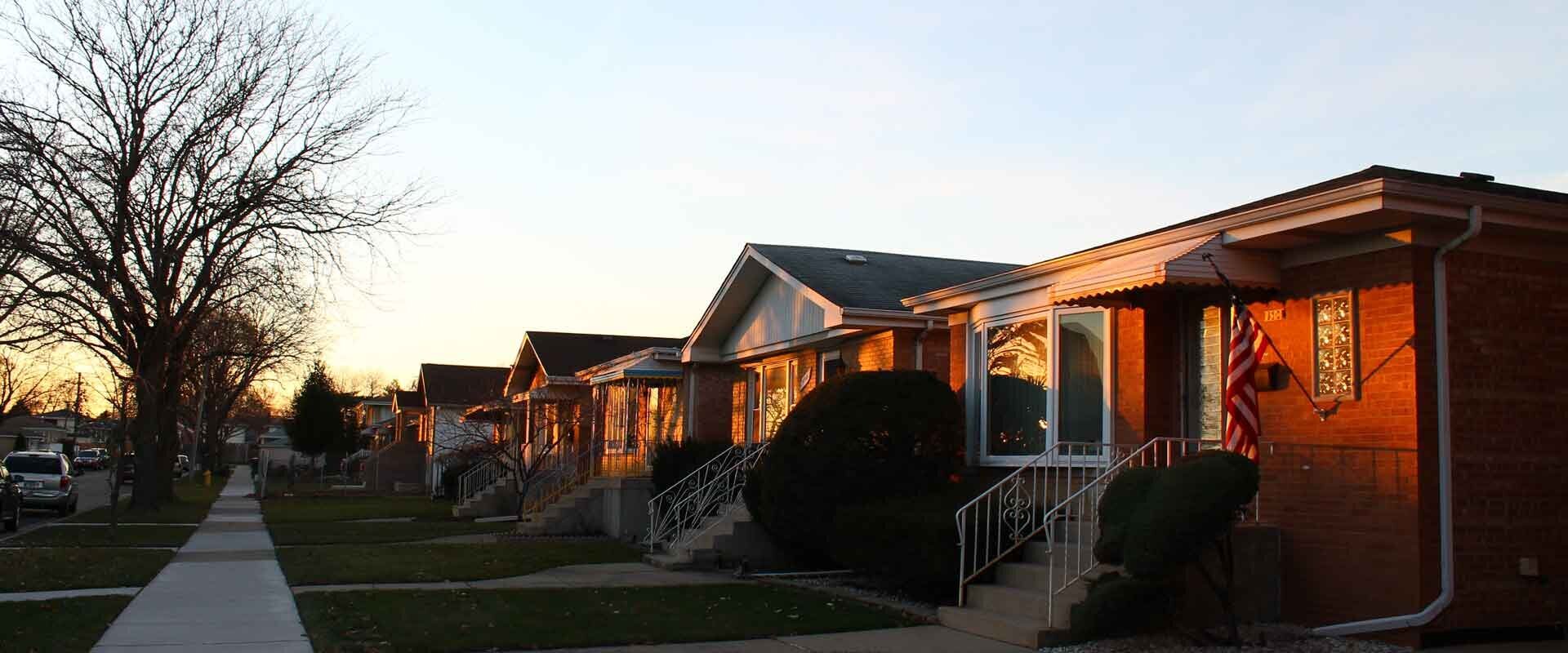
Selling a fixer-upper in East Providence, RI can seem like a big challenge — but with the right approach, you can still get a fair price and a fast sale. Whether you want to put in a little effort or sell “as-is,” this guide walks you through every step, helping you decide what’s best for your situation.
What Makes a “Fixer-Upper”
What Qualifies as a Fixer‑Upper
A “fixer-upper” is a home that — while salvageable — requires some level of repair, renovation, or updating before it becomes truly livable or desirable. Common conditions include:
- Structural issues (foundation problems, roof leaks, wall/ceiling cracks)
- Outdated or damaged systems (plumbing, electrical, HVAC)
- Cosmetic problems (old flooring, dated kitchens/bathrooms, worn-out paint, general wear and tear)
- Deferred maintenance (overgrown lawn, broken windows, peeling paint, clutter)
Often, these homes are priced below comparable “move-in ready” properties, because buyers must invest in repairs or renovation.
Why Selling a Fixer‑Upper in East Providence Could Be Smart

- Some buyers — flippers, investors, or homeowners willing to put in work — actively search for fixer-upper properties to renovate.
- Fixer-uppers often sell faster when priced right, because they appeal to buyers seeking value or opportunity rather than perfection.
- If you don’t have the resources or time for full repairs, selling “as-is” can save you hassle, money, and stress.
Assess the Condition of Your Home
Before listing, it’s essential to have a clear and honest picture of what your home needs.
How to Evaluate Your Property
- Structural inspection — Check for major issues: foundation cracks or shifting, roof damage or leaks, sagging floors/walls, water damage, signs of mold or mildew.
- Systems check — Evaluate plumbing, wiring, HVAC, and major appliances. Outdated or non-functioning systems can drastically reduce appeal or value.
- Surface & cosmetic review — Note cosmetic issues: worn floors, outdated kitchens or bathrooms, old paint, damaged trim or windows, broken fixtures.
- Exterior & curb appeal assessment — Look at exterior paint, siding, roofing, yard upkeep, landscaping, driveway, entrances. First impressions count.
Common Fixer‑Upper Issues & Typical Repair Costs (Estimates only — vary based on scope & location)
| Issue / Problem | Typical Repair or Update Cost* | Buyer’s Potential Concern / Impact |
|---|---|---|
| Roof replacement or repair | $5,000 – $15,000 | Roof leaks, structural safety |
| Foundation or structural repairs | $3,000 – $10,000 | Stability, long-term viability |
| Plumbing & electrical overhaul | $2,000 – $8,000 | Safety, code compliance |
| Cosmetic updates (paint, flooring, finishes) | $1,000 – $5,000 | Visual appeal, move-in readiness |
*Costs vary dramatically depending on the size of home, severity of issues, regional labor/material costs, and extent of repairs. For more detailed insights on how to assess and fix common home issues, visit Redfin’s guide on household problems and how to fix them.
Decide: Repair Some/All vs Sell As-Is
Once you know what needs work, the next major decision is whether to invest in repairs or sell in the home’s current condition.
The Pros and Cons
Advantages of Making Repairs or Updates
- Can increase final sale price — a cleaner, safer, more attractive home can fetch more.
- Attracts a broader range of buyers — not only investors or flippers, but families or individuals looking for a ready-to-live home.
- Faster sale when the house is in decent shape — less negotiation about defects, fewer contingencies, smoother closing.
Pros & Cons of Selling As‑Is
Advantages:
- Save time, money, and stress — no contractors, no repair delays, no upfront expenses.
- Faster sale — particularly attractive to cash buyers or investors who are ready to take on renovation projects.
- Good option if you face time pressure (relocation, financial constraints, inheritance, etc.)
Drawbacks:
- Lower offers — buyers will discount the price to account for needed work.
- Smaller buyer pool — many buyers prefer move-in ready homes; those willing to buy fixer-uppers are often investors or people comfortable with renovation.
- Potential for negotiation or inspection contingencies — even in an “as-is” sale, buyers may request inspections and reconsider offers based on findings.
To learn more about how to approach selling a house as-is, visit HomeLight’s guide on selling a house as-is.
Pricing Your Fixer-Upper: Reality Meets Market
Getting the price right is arguably the most critical factor when selling a fixer-upper. Price too high — no interest. Price too low — you leave money on the table.
How to Determine the Right Price
- Use Comparable Sales (Comps): Review recent sales of similar homes in your neighborhood (or nearby East Providence / RI area) — especially those needing similar repair levels.
- Subtract Estimated Repair Costs: If your house needs structural, systems, or cosmetic work, factor in the expected costs. Buyers will expect a discount to cover that work.
- Adjust Based on Demand and Market Conditions: If there’s strong demand for inexpensive homes or fixer-uppers (e.g., from investors), you might be able to price a bit higher. If the market is slow or saturated, price more competitively.
- Be Transparent About Condition: Disclose known issues upfront so buyers don’t feel tricked — transparency can help build trust, even with an as-is sale.
What “As-Is” Pricing Typically Looks Like
Homes sold as-is often sell for significantly below fully renovated homes of similar size and location. Some estimates suggest cash offers or as-is sales may come in at 55%–85% of a comparable move-in–ready home’s value, depending on the severity of repairs needed. For a deeper understanding of real estate pricing strategies, check out Zillow’s guide on how to price your home to sell.
Preparing & Marketing Your Property
Even if you sell as-is, some preparation and smart marketing can make a big difference.
Pre-Listing Prep — What You Can Do Without Major Repairs
- Deep clean and declutter — A tidy home feels less intimidating. Clean floors, remove trash or debris, clear out personal clutter or old belongings. Many investors look past flaws — not mess.
- Fix small but obvious problems if affordable — A leaky faucet, broken blinds, cracked window pane, or damaged light fixture can be inexpensive to fix yet improve first impressions significantly.
- Improve curb appeal — Simple yard cleanup, trimming overgrown plants, mowing the lawn, removing trash from yard, and cleaning entryways can make a home more welcoming.
- Take honest photos — Crack-free bright photos (even of worn rooms) help set correct buyer expectations and attract the right audience (investors or fixers).
How to Market a Fixer‑Upper
- Clearly state “as-is” or “fixer-upper” in listing title/description — This signals to bargain‑seeking buyers or investors that the home needs work and may offer a deal.
- Highlight positives beyond condition: Emphasize location, lot size, layout potential, neighborhood advantages, proximity to amenities, and any “hidden value” (e.g., large yard, good bones, solid structure).
- List on platforms that investors or renovators follow — Real estate websites, investor-focused networks, “cash‑buy” buyer lists, or local real estate investor groups.
- Be upfront about known issues & required repairs — Transparency helps avoid wasted time, builds trust, and reduces risk of renegotiation or sale falling through.
Selling to Cash Buyers / Investors: Pros & What to Expect
For many sellers of fixer-uppers, working with cash buyers or investors makes the most sense.
Why Cash Buyers & Investors Often Buy Fixer-Uppers
- They’re comfortable with rehab, renovation, or flipping.
- They often have funds ready and don’t need mortgage financing, which reduces risk of financing falling through.
- Can close faster — sometimes in a matter of days or a few weeks.
What Selling to a Cash Buyer Usually Involves
- Shorter timeline: Closing can be rapid because there’s often no need to wait for inspections or financing approvals.
- Less negotiation over small repairs: Since you sell as-is, you’re generally not obligated to fix every problem — though you should still disclose major issues.
- A lower sale price — but more convenience: Cash buyers account for the cost and risk of repairs in their offer, so expect a discount compared to a renovated home.
Good Candidates for Cash Buyer Route
- You need to sell quickly (relocation, financial hardship, job change)
- The home needs extensive repairs you can’t afford/work through
- You don’t want to manage contractors or renovations
- You value convenience and speed over getting “top dollar”
The Sales Process: Step by Step
Here’s a typical flow of how selling a fixer-upper (especially to a cash buyer or investor) plays out:
- Assess & Decide Strategy — Evaluate condition, repair needs, estimate costs, and decide whether to fix some items or sell as-is.
- Prepare the Property — Clean up, declutter, make minor fixes if needed, improve curb appeal, take photos.
- Price the Home — Based on comparable sales (“comps”), repair costs, market demand, and discount for condition.
- List the Property / Reach Out to Cash Buyers or Investors — Include clear disclaimers “as‑is,” fixer-upper, or investor-friendly property.
- Negotiate Offers — Cash buyers may give offers quickly; you’ll need to weigh convenience versus price.
- Disclose Known Issues & Provide Transparency — Share inspection results or known problems to avoid surprises or legal issues.
- Close the Sale — With cash buyers, closings can happen fast, often within 7–14 days.
FAQs: Selling a Fixer-Upper in East Providence, RI
1. Can I sell my fixer-upper as-is in East Providence, RI?
Yes, you can sell your fixer-upper as-is in East Providence. This means you won’t need to make any repairs or updates before selling, which can save you time and money.
2. How should I price my fixer-upper in East Providence, RI?
To price your fixer-upper, compare similar homes in East Providence (comps) and account for any repairs or updates needed. Subtract estimated repair costs to set a competitive price.
3. How long does it take to sell a fixer-upper in East Providence?
Selling a fixer-upper in East Providence can take anywhere from a few days (to cash buyers) to a few weeks or months, depending on the repair work and your selling method.
4. Should I fix my fixer-upper before selling in East Providence?
Minor repairs or updates may increase the sale price, but extensive repairs might not be worth the investment if you’re selling to cash buyers or investors who prefer buying homes as-is.
5. What are the benefits of selling a fixer-upper to a cash buyer in East Providence?
Selling to a cash buyer in East Providence can lead to a faster closing, fewer complications, and no need for repairs or inspections, making it ideal for those in need of a quick sale.
6. Will I get a lower offer for my fixer-upper in East Providence, RI?
Yes, fixer-uppers typically receive lower offers due to the cost of necessary repairs. Cash buyers and investors are likely to offer less than the market value of a move-in ready home.
Example Scenario: Selling a Fixer‑Upper in East Providence, RI
Suppose you own a 3-bedroom house in East Providence — roof needs replacement, plumbing outdated, kitchen and bathroom need work, floors worn, paint old, landscaping overgrown.
- Estimated repairs: $15,000–$25,000 (roof + plumbing + cosmetic updates)
- Comparable renovated houses nearby (same size/lot): $350,000–$400,000
- Fixer‑upper sale price (after discount): $240,000–$280,000 (reflecting repairs and condition)
You decide not to invest in repairs. You clean up, mow the lawn, take photos, list as “fixer-upper / as-is.” You market it to investors, real estate flippers, and cash buyers. A cash buyer offers $260,000. You accept — close sale in ~10 days. You avoid the hassle, risk, and cost of renovations, and sell quickly.
This scenario may not give “top dollar,” but offers convenience, speed, and certainty — which for many sellers outweighs maximizing sale price.
Final Thoughts & Recommendations
Selling a fixer-upper in East Providence, RI doesn’t have to be overwhelming or stressful. The key is to:
- Be realistic about your home’s condition.
- Choose a strategy that fits your time, budget, and urgency (repair some vs. sell as-is).
- Price fairly and transparently — account for defects and repair costs.
- Market wisely — target the right buyers (investors, cash buyers, renovators).
- Disclose all known issues to avoid surprises and build trust.
For many homeowners, especially those pressed for time or cash, selling as-is to a cash buyer can be the most practical and stress-free option. For others with a little time and resources, minimal repairs and a tidy presentation may help fetch a better price while still selling relatively quickly.
At Lehan Homes LLC, we understand the challenges of selling a fixer-upper, and we’re here to help make the process as easy and hassle-free as possible. Whether you decide to make repairs or sell as-is, we’re committed to providing a fair offer and a fast, straightforward sale. Let us help you navigate the sale of your fixer-upper in East Providence.