
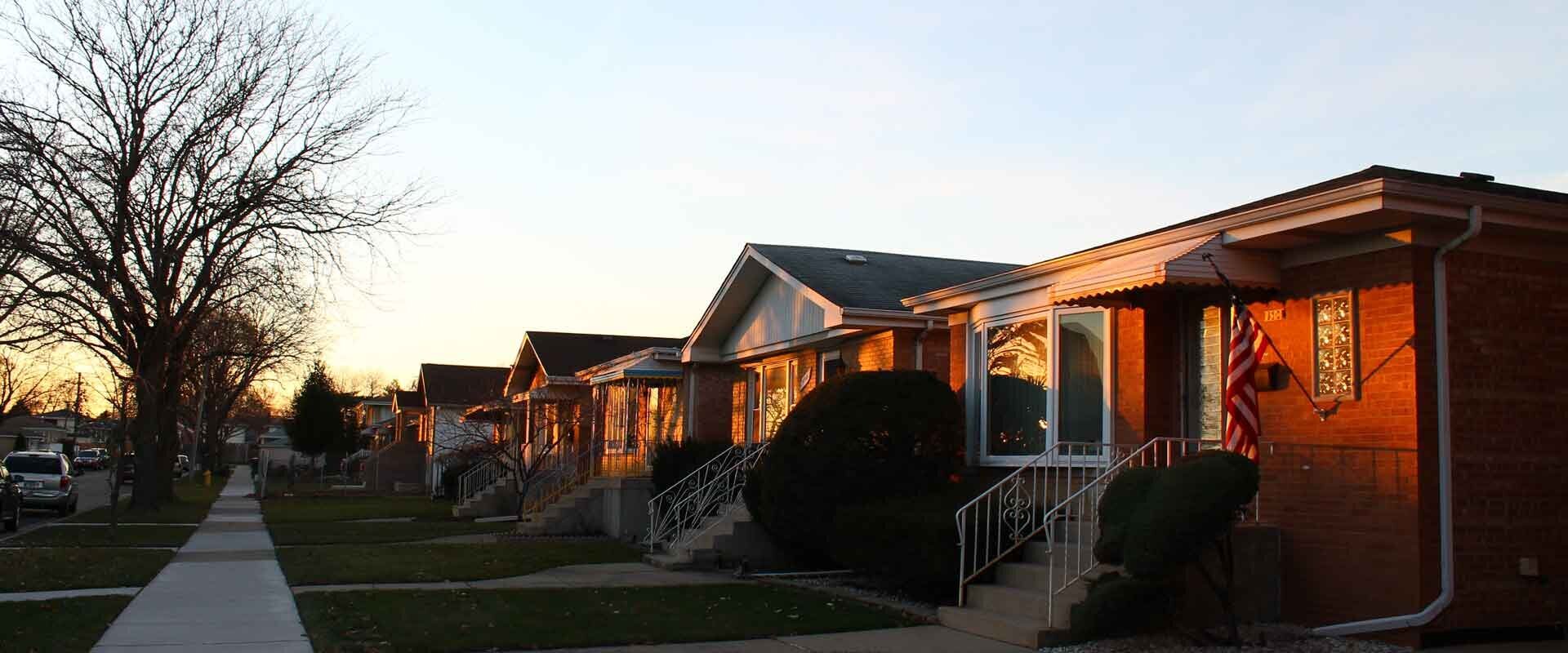
Selling an inherited home is rarely just a real estate decision. For many property owners in Cumberland, Rhode Island, it becomes a complex mix of emotional stress, legal responsibility, financial pressure, and urgency. Unlike a traditional home sale, inherited properties often come with uncertainty—about ownership, timelines, taxes, and the condition of the home itself.
If you recently inherited a house and are asking “How do I sell an inherited home fast in Cumberland, RI?”, you are likely dealing with one or more of the following situations:
- The property is sitting vacant and costing money every month
- The home needs repairs you do not want to manage
- Probate is involved and feels confusing
- Multiple heirs are involved and want resolution
- You live out of state and cannot oversee the process
This guide is written to answer that exact question in the most complete way possible. It explains how inherited home sales work in Rhode Island, what slows them down, and how they can be completed faster without unnecessary complications.
Quick Answer: How to Sell an Inherited Home Fast in Cumberland, RI
To sell an inherited home fast in Cumberland, RI, you must first confirm legal authority to sell, determine whether probate applies, resolve any ownership or heir issues, avoid time‑consuming repairs or cleanouts, and choose a selling method that prioritizes speed—such as an as‑is or cash sale rather than a traditional listing.
This approach minimizes legal delays, reduces holding costs, and avoids the extended timelines common with conventional home sales.
Table of Contents
- What Is an Inherited Home?
- Why Selling an Inherited Home Can Be Difficult
- Understanding Inherited Property Laws in Rhode Island
- Do You Need Probate to Sell an Inherited Home?
- Who Has the Legal Right to Sell the Property?
- Step-by-Step Guide to Selling an Inherited Home Fast
- Best Ways to Sell an Inherited Home Quickly
- Selling an Inherited Home As-Is
- How Repairs and Cleanouts Affect Your Timeline
- Costs Involved in Selling an Inherited Home
- Capital Gains Tax and the Step-Up in Basis Rule
- How Long Does It Take to Sell an Inherited Home?
- What If There Are Multiple Heirs?
- Selling an Inherited Home With Debt or Liens
- FAQs About Selling an Inherited Home in Cumberland, RI
- Final Thoughts
What Is an Inherited Home?

An inherited home is a residential property that transfers to one or more beneficiaries after the death of the original owner. The transfer may occur immediately or only after certain legal steps are completed. The way the property was owned before death determines how quickly it can be sold.
Inherited homes typically fall into one of these categories:
- Property transferred through a will
- Property held inside a living trust
- Property passed through joint ownership with survivorship rights
- Property transferred under Rhode Island intestacy laws when no will exists
A common misconception is that inheriting a home means you automatically have the right to sell it. In reality, legal ownership and selling authority are not always the same thing. Until ownership is legally established and documented, the property cannot be sold.
Why Selling an Inherited Home Can Be Difficult
Inherited home sales are more complex than standard home sales because they combine legal, emotional, and financial issues.
Emotional Challenges
Inherited homes often belonged to parents, grandparents, or close relatives. Emotional attachment can make it difficult to:
- Decide on a fair price
- Agree on timing
- Let go of sentimental belongings
Emotions can slow decisions even when selling quickly would be financially beneficial.
Legal Challenges
Legal issues are one of the biggest causes of delay. These include:
- Probate court backlogs
- Missing or outdated wills
- Unclear executor authority
- Title defects
Any unresolved legal issue can delay or prevent closing.
Property Challenges
Many inherited homes:
- Are outdated
- Have deferred maintenance
- Have been vacant for long periods
- Do not meet modern buyer expectations
Homes in poor condition take longer to sell through traditional methods.
Financial Challenges
Even when no mortgage exists, costs continue:
- Property taxes do not stop
- Insurance is still required
- Utilities must stay on
- Lawn care and maintenance continue
These costs add pressure to sell quickly.
Understanding Inherited Property Laws in Rhode Island
Rhode Island inheritance laws define how property passes from the deceased to heirs and how it can be sold. These laws exist to protect heirs, creditors, and buyers, but they also add steps to the process.
Important legal principles include:
- Most inherited properties must go through probate
- An executor or administrator must be formally appointed
- The court may oversee the sale process
- Sale proceeds must be distributed according to the will or state law
Skipping or misunderstanding these requirements can cause major delays at closing.
Do You Need Probate to Sell an Inherited Home?
Probate is the court‑supervised process of settling an estate. Whether probate is required depends on how the property was owned.
When Probate Is Required
Probate is usually required if:
- The deceased owned the home individually
- The home was not placed in a trust
- Ownership did not automatically transfer
In these cases, the court must authorize who can sell the home.
When Probate May Be Avoided
Probate may be avoided if:
- The home was owned by a living trust. A living trust allows property ownership to transfer directly to beneficiaries without court involvement, which can significantly reduce delays when selling an inherited home. For more information, check out Investopedia’s guide on living trusts, which explains how this estate planning tool works and why it can help heirs bypass probate.
- The property passed to a surviving joint owner
- Certain limited small‑estate exceptions apply
In Rhode Island, even when probate is required, selling the property during probate is often allowed, provided court approval is obtained.
Who Has the Legal Right to Sell the Property?
| Ownership Situation | Authorized Seller |
|---|---|
| Trust ownership | Trustee |
| Probate estate | Executor or administrator |
| Multiple heirs | All heirs collectively |
| Joint tenancy | Surviving owner(s) |
Without legal authority, no contract can be enforced, and no closing can occur.
Step-by-Step Guide to Selling an Inherited Home Fast
Step 1: Confirm Ownership and Authority
You must establish:
- Who owns the property
- Who has authority to sell
- Whether probate is required
This typically involves gathering legal documents and court filings.
Step 2: Determine Probate Status
If probate applies:
- File promptly
- Request authority to sell early
- Avoid unnecessary delays
The sooner probate begins, the sooner the property can be sold.
Step 3: Evaluate the Property Condition
Inherited homes often have:
- Outdated systems
- Structural issues
- Safety concerns
Understanding condition helps determine the fastest selling strategy.
Step 4: Clarify Your Selling Priorities
Ask:
- How fast do I need to sell?
- Can I afford repairs or holding costs?
- Is convenience more important than price?
Clear priorities prevent second‑guessing later.
Step 5: Choose the Fastest Selling Method
The selling method determines the timeline more than any other factor.
Best Ways to Sell an Inherited Home Quickly
| Selling Method | Speed | Repair Requirement | Complexity |
|---|---|---|---|
| Cash sale | Very fast | None | Low |
| As-is sale | Fast | None | Low |
| Traditional listing | Slow | High | High |
| Auction | Moderate | Optional | Medium |
Most heirs prioritize speed and simplicity, making as‑is or cash sales the preferred option.
Selling an Inherited Home As-Is
Selling as-is means the buyer accepts the property exactly as it stands, without requiring the seller to make repairs, updates, or improvements before closing. This approach is commonly used for inherited homes that are outdated, vacant, or in poor condition, and according to Bankrate’s explanation of selling a house as-is, this strategy can significantly reduce delays and upfront costs because buyers understand they are taking responsibility for the property’s condition.
Why As-Is Sales Are Faster
- No repair negotiations
- No inspection contingencies
- Fewer buyer demands
- Shorter closing timelines
When As-Is Makes the Most Sense
- Significant repairs needed
- Long‑vacant property
- Estate cleanout not desired
- Out‑of‑state heirs
As‑is sales eliminate many common delays.
How Repairs and Cleanouts Affect Your Timeline
| Task | Time Impact |
|---|---|
| Cleaning belongings | Weeks |
| Minor repairs | 1–2 months |
| Major renovations | Several months |
| Contractor delays | Unpredictable |
Repairing an inherited home often delays the sale far longer than expected.
Costs Involved in Selling an Inherited Home
Ongoing Holding Costs
- Property taxes
- Insurance premiums
- Utilities
- Lawn care
Selling Costs
- Legal services
- Title and closing fees
Fast sales reduce the total cost burden.
Capital Gains Tax and the Step-Up in Basis Rule
Step-Up in Basis Explained
The home’s value resets to market value at the date of death.
Why This Helps Sellers
- Reduces taxable profit
- Often eliminates capital gains tax
| Sale Timing | Tax Effect |
|---|---|
| Immediate sale | Minimal tax |
| Appreciated sale | Partial tax |
Professional tax advice is recommended.
How Long Does It Take to Sell an Inherited Home?
| Scenario | Typical Timeline |
|---|---|
| No probate, cash sale | 1–2 weeks |
| Probate involved | 1–2 months |
| Traditional listing | 3–6 months |
| Heir disputes | Indefinite |
Legal clarity and selling method determine speed.
What If There Are Multiple Heirs?
Multiple heirs add complexity due to:
- Differing financial goals
- Emotional attachment
- Disagreements on timing or price
Resolving disagreements early is essential for a fast sale.
Selling an Inherited Home With Debt or Liens
Inherited homes can still be sold even if they have:
- Outstanding mortgages
- Property tax liens
- Utility balances
These are typically paid from proceeds at closing.
FAQs About Selling an Inherited Home in Cumberland, RI
Q. Can I sell an inherited home during probate in Cumberland, RI?
Yes, an inherited home can be sold during probate in Cumberland, RI, but court approval may be required. The executor or administrator must have legal authority to complete the sale.
Q. Do I need probate to sell an inherited house in Rhode Island?
Probate is usually required if the home was solely owned by the deceased and not held in a trust. If ownership transferred automatically, probate may not be necessary.
Q. How long does it take to sell an inherited home in Cumberland, RI?
The timeline depends on probate and the selling method. A fast as-is or cash sale can close in weeks, while traditional listings often take several months.
Q. Do all heirs need to agree to sell an inherited home?
In most cases, yes. All heirs must agree unless one person has legal authority as executor or administrator to sell the property.
Q. Can I sell an inherited home as-is without making repairs?
Yes, inherited homes can be sold as-is. This allows the sale to move forward without repairs, cleanouts, or upgrades, which often speeds up the process.
Q. Are there taxes when selling an inherited home?
Inherited homes typically receive a step-up in basis, which often reduces or eliminates capital gains tax. Taxes may apply only if the property increases in value after inheritance.
Q. Can an inherited home with a mortgage or liens be sold?
Yes, inherited homes with mortgages, tax liens, or other debts can still be sold. These obligations are usually paid off from the sale proceeds at closing.
Final Thoughts
Selling an inherited home fast in Cumberland, RI does not have to be complicated, overwhelming, or drawn out. With the right understanding of probate requirements, legal authority, property condition, and selling options, heirs can move forward confidently without unnecessary delays or financial stress. The key is choosing a path that prioritizes clarity, speed, and simplicity—especially when the property needs repairs, has multiple heirs involved, or is costing money each month.
Working with an experienced local buyer like Lehan Homes LLC can make the process significantly easier. By focusing on as-is solutions, flexible timelines, and straightforward transactions, Lehan Homes LLC helps inherited homeowners avoid the long waits, repair headaches, and uncertainty that often come with traditional sales. For many heirs, this approach provides the fastest and most practical way to turn an inherited property into a clean, stress-free resolution.