
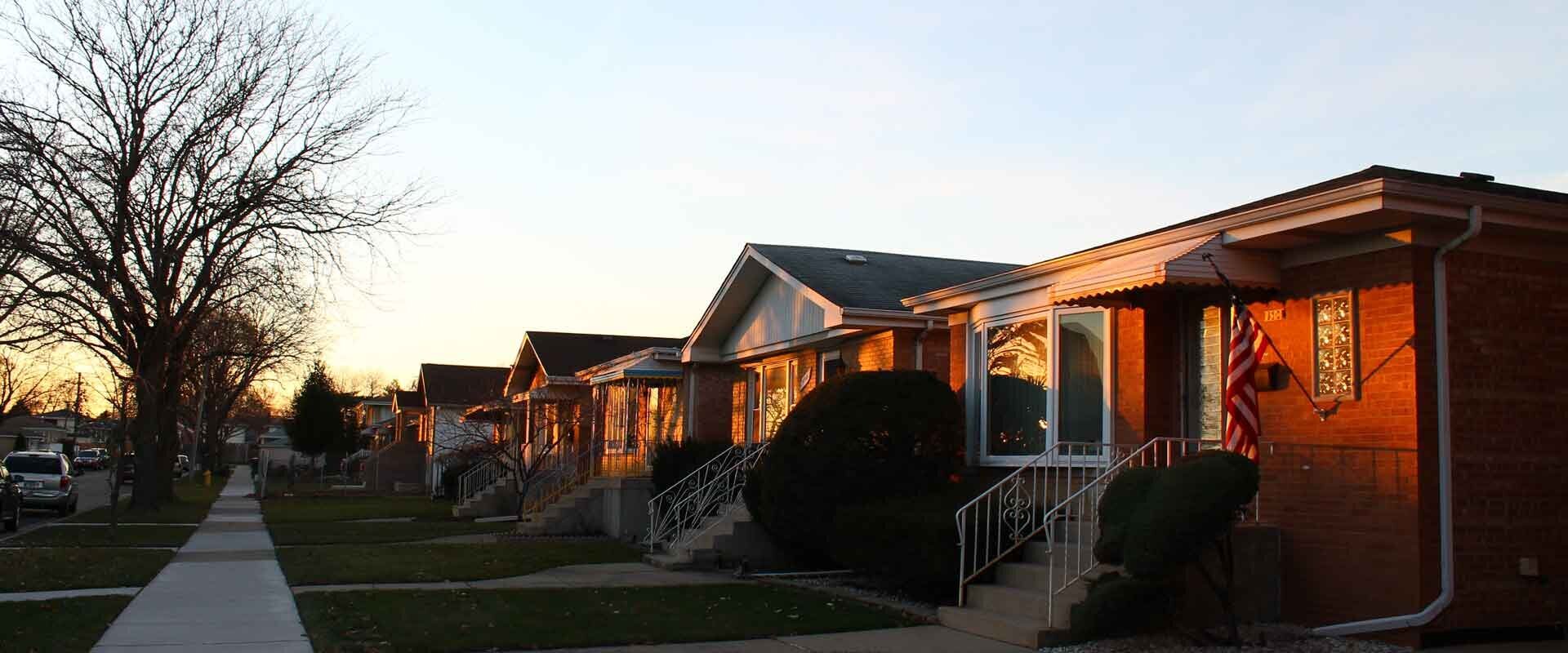
Selling a house during probate in West Warwick, Rhode Island can be a complex and emotionally demanding process. Families are often dealing with grief while simultaneously trying to understand legal responsibilities, court timelines, and financial decisions tied to inherited property. Probate laws in Rhode Island are strict, and real estate transactions during probate must follow specific procedures to avoid delays, disputes, or legal issues.
This comprehensive guide explains everything you need to know about selling a house during probate in West Warwick, RI. It is written for executors, administrators, heirs, and family members who want clarity, accuracy, and practical guidance. Whether the home is vacant, inherited by multiple heirs, needs repairs, or must be sold quickly, this article walks through the process in full detail from start to finish.
What Is Probate and Why Is It Required in Rhode Island?

Probate is the legal process through which a deceased person’s estate is settled under court supervision. In Rhode Island, probate ensures that property ownership is transferred lawfully, debts are paid, and remaining assets are distributed to heirs or beneficiaries.
In West Warwick and throughout Rhode Island, probate cases are overseen by the local probate court system, which handles wills, estate administration, and real estate matters related to deceased individuals. Official guidance on probate responsibilities, court authority, and estate administration is provided by the Rhode Island Probate Court.
When real estate is involved, probate becomes especially important. A house cannot be legally sold or transferred unless the court confirms who has authority to act on behalf of the estate.
Probate is typically required when:
- The deceased owned the house solely in their name
- There is no surviving joint owner
- The property was not placed in a living trust
- No transfer-on-death mechanism exists
If the property is located in West Warwick, the probate case is handled by the appropriate Rhode Island Probate Court with jurisdiction over the estate.
Testate Probate
Testate probate occurs when the deceased left a valid will. The will names an executor, who is responsible for carrying out the instructions and managing estate assets, including real estate.
Intestate Probate
Intestate probate applies when no will exists. In this situation, the court appoints an administrator. Rhode Island intestacy laws determine who inherits the property and how proceeds are distributed.
In both cases, the probate court plays a central role in supervising the sale of any real estate.
Can You Sell a House During Probate in West Warwick, RI?
Yes, a house can be sold during probate in West Warwick, but the sale must follow legal procedures established by Rhode Island law and the probate court.
The key requirement is legal authority. Until the court formally appoints an executor or administrator and issues documentation granting authority, the property cannot be sold.
Selling a house during probate is common and often necessary to:
- Pay outstanding debts of the estate
- Distribute proceeds among heirs
- Prevent ongoing maintenance and tax costs
- Resolve disputes among beneficiaries
However, selling without following proper probate procedures can result in court rejection, delayed closings, or legal challenges from heirs or creditors.
Who Has the Legal Authority to Sell a Probate Property?
Only the person officially appointed by the probate court has the legal authority to sell the property.
Executor
If a will exists, the executor named in the document must be approved by the court. Once approved, the executor receives authority to act on behalf of the estate.
Administrator
If no will exists, the court appoints an administrator to manage the estate. In this situation, Rhode Island intestate succession laws determine who inherits the property and how sale proceeds are distributed. These rules outline the legal order of inheritance when someone passes away without a will, as explained under Rhode Island Intestate Succession Law.
Important Authority Rules
- Heirs do not automatically have the right to sell the house
- Multiple heirs cannot independently list or negotiate a sale
- Authority must be documented and presented at closing
- Unauthorized sales are invalid
The court-issued appointment is the foundation for every probate real estate transaction.
Step-by-Step Process to Sell a Probate House in West Warwick
Step 1: Opening the Probate Case
The probate process begins when a petition is filed with the Rhode Island Probate Court. This filing officially opens the estate and establishes court supervision.
Step 2: Appointment of Executor or Administrator
The court reviews the petition and appoints the executor or administrator. Official documentation is issued granting authority to manage estate assets, including real estate.
Step 3: Property Valuation
The estate must determine the fair market value of the house before it can be sold. This valuation is used for court records, tax reporting, and to ensure the property is not sold for less than its reasonable market value.
Fair market value is commonly established through:
- A professional real estate appraisal
- Comparative market analysis
- Local tax assessment data
For inherited property, the Internal Revenue Service defines how property basis is determined after death, including the rules for stepped-up basis. This guidance is outlined in IRS Publication 551 – Basis of Assets, which explains how inherited real estate is valued for tax purposes.
Accurate valuation helps prevent disputes among heirs and ensures compliance with probate and tax requirements.
Step 4: Notification of Heirs and Creditors
Rhode Island law requires that all heirs and known creditors be notified of the probate case. Creditors are given time to file claims against the estate.
Step 5: Choosing a Selling Method
The executor or administrator decides how to sell the property. Factors considered include:
- Property condition
- Estate debts
- Timeline pressures
- Market conditions
- Heir preferences
Step 6: Accepting an Offer
Once an offer is received, it may be subject to court review or approval, depending on the authority granted and the terms of the probate case.
Step 7: Court Approval (If Required)
Some probate sales require explicit court approval before closing. This step ensures the sale is fair and compliant with estate obligations.
Step 8: Closing the Sale
After approval, the transaction closes. Sale proceeds are deposited into the estate account and later distributed according to probate rules.
Selling Options for a Probate House
Probate properties in West Warwick can be sold using several methods, each with advantages and disadvantages.
Selling the House As-Is
Selling as-is means the property is sold in its current condition, without repairs or upgrades.
Benefits include:
- No repair expenses
- Faster timelines
- Less involvement for the executor
- Suitable for older or distressed homes
This is a common option for probate properties that have not been updated in years.
Listing the Property on the Open Market
Listing the house traditionally may result in a higher sale price but involves additional steps:
- Cleaning and staging
- Repairs and inspections
- Realtor commissions
- Longer market exposure
This approach can increase stress and extend probate timelines.
Direct Sale Without Financing
A direct sale avoids mortgage approvals, inspections, and appraisals. These sales typically:
- Close faster
- Reduce uncertainty
- Simplify court coordination
This option is often preferred when speed and certainty are priorities.
Comparison of Probate Selling Options
| Selling Method | Speed | Repairs Needed | Legal Complexity |
|---|---|---|---|
| As-Is Sale | Fast | None | Low |
| Market Listing | Slow | Often Required | Medium |
| Direct Sale | Very Fast | None | Low |
How Long Does It Take to Sell a Probate House in West Warwick?
The timeline for selling a probate house depends on multiple factors.
Influencing Factors
- Probate court processing speed
- Whether the sale requires court approval
- Property condition
- Number of heirs
- Disputes or creditor claims
Typical Timeframes
- Expedited sale: 2–4 weeks after authority is granted
- Traditional listing: 3–6 months or longer
- Contested probate cases: 6–12 months or more
Delays increase carrying costs and administrative burden on the estate.
Costs Involved in Selling a Probate Property
Selling a probate house involves costs that are paid by the estate, not the executor personally.
Common Expenses
- Probate court filing fees
- Attorney fees
- Property taxes
- Homeowner’s insurance
- Utility bills
- Maintenance and lawn care
- Closing costs
Cost Responsibility Overview
| Expense Type | Source of Payment |
|---|---|
| Legal Fees | Estate Funds |
| Property Taxes | Estate Funds |
| Insurance | Estate Funds |
| Closing Costs | Sale Proceeds |
Understanding these costs helps executors plan appropriately and avoid surprises.
Do All Heirs Have to Agree to the Sale?
Heir agreement depends on the authority granted and the structure of the estate.
Situations Requiring Consent
- Will mandates heir approval
- Court orders consent
Situations Where Consent Is Not Required
- Executor has full authority
- Court approves the sale over objections
The court’s priority is settling the estate efficiently and lawfully.
Selling a Probate House With a Mortgage or Liens
Many probate properties carry outstanding debts.
Common Financial Obligations
- Mortgage balances
- Property tax liens
- Judgment liens
- HOA dues
These debts are usually satisfied at closing using sale proceeds before distribution to heirs.
Selling an Inherited House That Needs Repairs
Probate properties often require significant work due to deferred maintenance.
Common Issues Found in Probate Homes
- Roof deterioration
- Plumbing or electrical failures
- Mold or water damage
- Structural concerns
- Hoarding or excessive debris
Selling without repairs avoids:
- Contractor coordination
- Inspection failures
- Unexpected repair costs
- Timeline extensions
For many estates, selling as-is is the most practical solution.
Tax Implications of Selling a Probate Property in Rhode Island
Inherited property is subject to different tax rules than traditional sales.
Step-Up in Basis
The property’s value is adjusted to its fair market value at the time of death, often reducing capital gains liability.
Potential Tax Considerations
- Capital gains if sold above stepped-up value
- Estate-related taxes in rare cases
Consulting a tax professional ensures compliance and accurate reporting.
Common Mistakes to Avoid When Selling a Probate House
- Selling without court authority
- Failing to notify creditors
- Over-improving the property
- Ignoring heir communication
- Delaying decisions unnecessarily
These mistakes increase costs, delay closure, and create legal risk.
Frequently Asked Questions
Q. Can you sell a house during probate in West Warwick, RI?
Yes. In West Warwick, RI, a house can be sold during probate once the court appoints an executor or administrator and grants legal authority to act on behalf of the estate.
Q. Do probate house sales in Rhode Island require court approval?
Some probate sales require court approval, while others do not. It depends on the authority granted to the executor and the specific requirements of the Rhode Island probate court.
Q. Who has the legal authority to sell a probate property?
Only the court-appointed executor or administrator has legal authority to sell a probate property. Heirs cannot sell the house without court authorization.
Q. How long does it take to sell a probate house in West Warwick?
In West Warwick, a probate house can take anywhere from a few weeks to several months to sell, depending on court timelines, property condition, and the chosen selling method.
Q. Can a probate house be sold as-is?
Yes. Probate houses are commonly sold as-is, meaning no repairs or updates are required before the sale, which often helps speed up the process.
Q. Do all heirs need to agree before selling a probate house?
Not always. If the executor has full court authority, the house can be sold even if all heirs do not agree, as long as the sale follows probate laws.
Final Thoughts
Selling a house during probate in West Warwick, RI can feel overwhelming, but with the right understanding of the legal process and available options, it does not have to be complicated or stressful. Probate sales require careful handling, proper court authority, and informed decision-making to avoid unnecessary delays, costs, or disputes among heirs.
Whether the property is vacant, inherited by multiple beneficiaries, burdened with repairs, or needs to be sold quickly, working with an experienced and probate-aware buyer can make a meaningful difference. Lehan Homes LLC specializes in helping executors and heirs navigate probate property sales with clarity, efficiency, and respect for the legal process.
By focusing on straightforward solutions and understanding the unique challenges of probate real estate, Lehan Homes LLC helps estates move forward confidently, allowing families to settle matters responsibly and close this chapter with peace of mind.